Making restaurant management look easy with the Ordermark dashboard

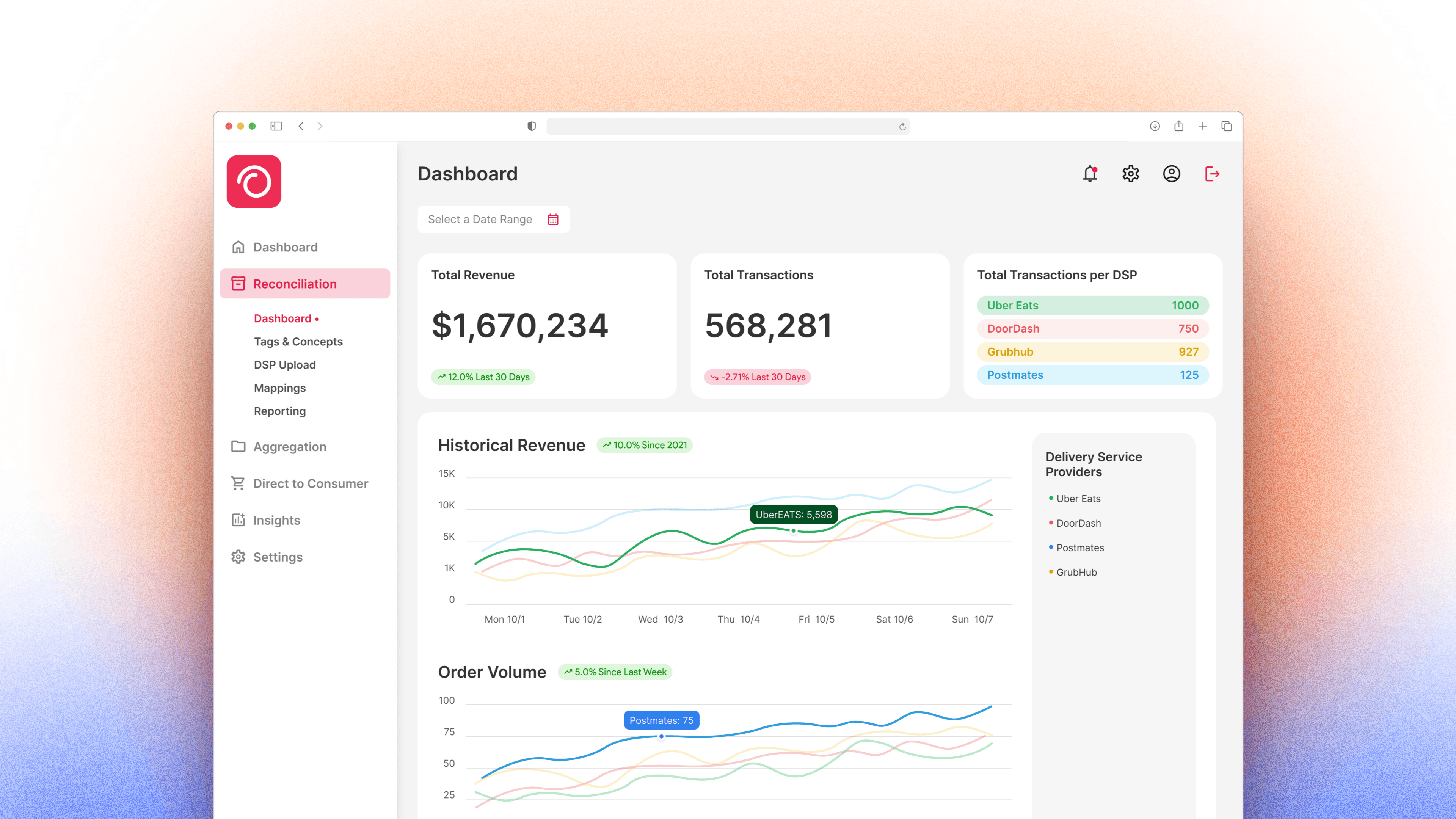
Managing multiple virtual restaurants and tracking revenue across delivery platforms can be overwhelming for restaurant owners. The Ordermark Virtual Restaurant Management Portal was designed to simplify this process—making it intuitive, organized, and actionable. By consolidating virtual restaurant management, dynamic reporting, and revenue visualization into one portal, it empowers restaurants to maximize profits during slow hours, streamline operations, and make smarter business decisions without added complexity.

Year

2023

Year

2023

Year

2023

Client

Ordermark

Client

Ordermark

Client

Ordermark

Role

Lead Product Designer

Role

Lead Product Designer

Role

Lead Product Designer

From Overwhelmed to Organized: Tackling Restaurant Back-End Complexity

From Overwhelmed to Organized: Tackling Restaurant Back-End Complexity

From Overwhelmed to Organized: Tackling Restaurant Back-End Complexity

Restaurant owners are already juggling a lot: staff schedules, inventory management, guest experience, and finances. Ordermark approached us with a unique problem: how to help restaurants use their existing kitchen capacity to run virtual restaurants—delivery-only concepts—without adding complexity.

The key challenge was building a backend management portal that allowed restaurants to:

  • Easily manage multiple virtual restaurants and locations.

  • Track and reconcile revenue across multiple platforms, including UberEATS, Postmates, and DoorDash.

  • Generate dynamic, customizable reports with conditional logic for revenue streams, locations, and identifiers.

  • Visualize financial performance across multiple platforms in an intuitive dashboard.

Potential Metrics to Track:

  • Number of virtual restaurants added per business.

  • Time spent adding or editing a restaurant/location.

  • Number of clicks to access key reports.

  • Frequency of reporting tool usage per week.

Summary: The portal needed to transform complex operational and financial tasks into a streamlined, easy-to-understand interface.

The Simple Path: Turning Complex Data into Effortless Workflows

The Simple Path: Turning Complex Data into Effortless Workflows

The Simple Path: Turning Complex Data into Effortless Workflows

To tackle the complexity of managing multiple virtual restaurants and multi-platform revenue, we knew the portal had to do more than just display data—it had to fit seamlessly into the daily workflow of restaurant managers. These users are already balancing staff, inventory, and customer service, so every interaction needed to feel natural, predictable, and efficient. Our goal was to reduce friction at every step, from adding a new virtual restaurant to reconciling payments, so users could spend less time navigating the system and more time making decisions that directly impact revenue. By grounding our design process in real-world restaurant operations and user mental models, we aimed to transform what could be a confusing, spreadsheet-heavy experience into a clear, approachable, and actionable tool.

Key Features:

  • Business Management:
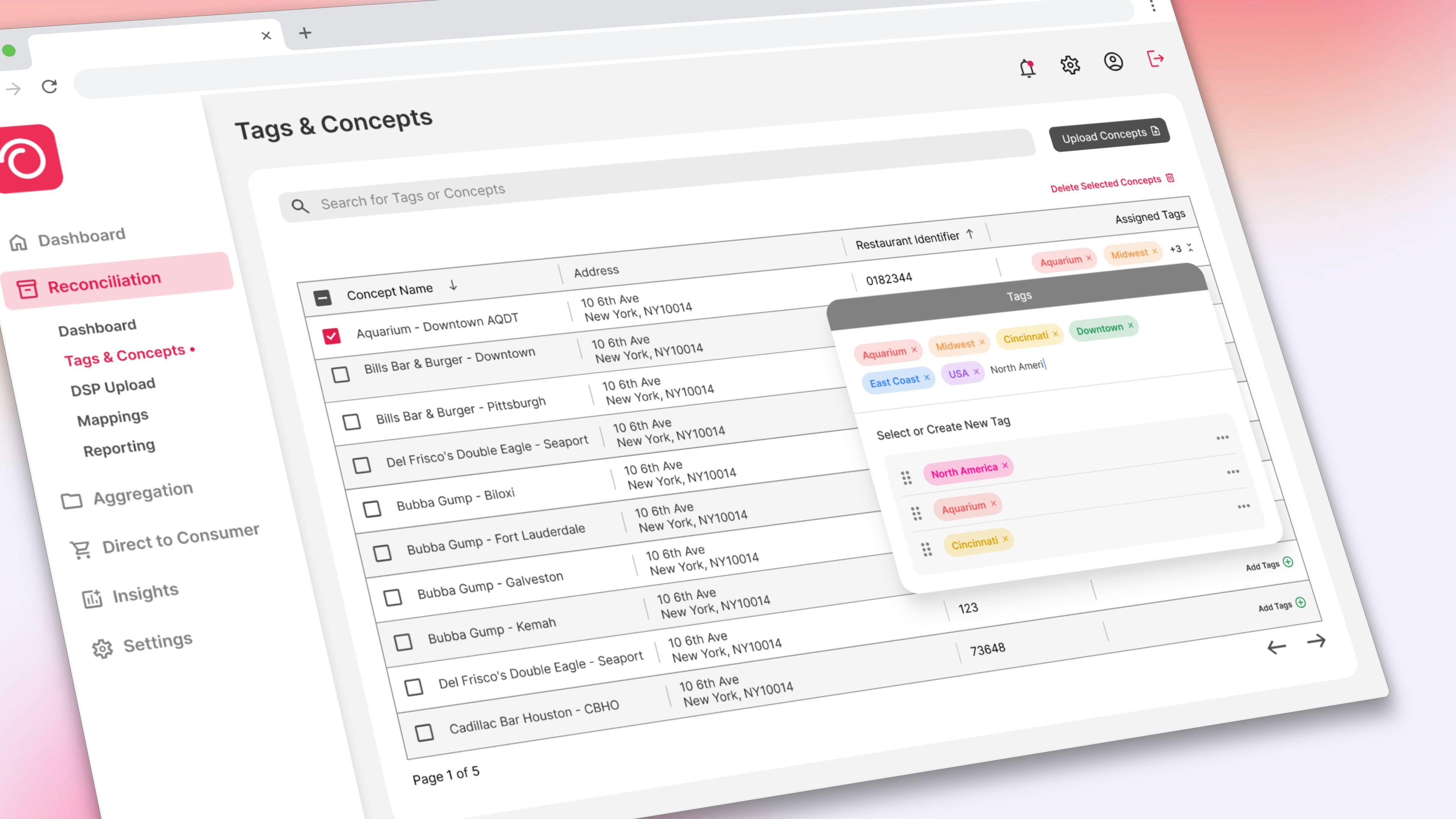
    Users can add and manage multiple virtual restaurants, complete with location names, addresses, districts, and custom identifiers. This makes it easy to keep operations organized, even for businesses running multiple concepts from the same kitchen.

  • Revenue Reporting & Reconciliation:
    The portal consolidates revenue across platforms like UberEATS, Postmates, and DoorDash. Users can generate dynamic, customizable reports with conditional logic to track revenue streams, reconcile payments, and ensure accuracy across accounts.

  • Dynamic Dashboard:
    Revenue trends are visualized in an intuitive, at-a-glance dashboard. Managers can quickly spot slow hours, high-performing times, and opportunities to optimize kitchen capacity, making data actionable rather than overwhelming.

From Data Overload to Actionable Insights

To address the challenge of managing multiple virtual restaurants and multi-platform revenue, we designed a comprehensive, user-centered portal that simplifies complex workflows while giving restaurant owners full control over their operations. The solution focused on three core areas, optimized for ease of use and clarity:

  1. Business Management

  2. Revenue Reporting and Reconciliation

  3. Dynamic Data Visualization

The Ordermark Reconciliation portal turns a complex, multi-platform workflow into a tool that actually helps restaurant managers do their job faster and smarter. Every feature was designed to deliver tangible value to the user, helping them spend less time on administrative tasks and more time growing their business.
Virtual Restaurant Concept Management

Restaurants can manage all their virtual restaurants in one place, including location details, business identifiers, and custom metadata. Managers can quickly add, edit, or organize concepts, making it easy to oversee multiple brands, streamline operations, and ensure every virtual restaurant is running efficiently.

Dynamic Dashboard

Revenue trends are visualized in an intuitive, at-a-glance dashboard. Managers can quickly spot slow hours, high-performing times, and opportunities to optimize kitchen capacity, making data actionable rather than overwhelming.

Delivery Service Provider Mapping

Restaurants can see all their delivery platforms—UberEATS, Postmates, DoorDash, and more—mapped and tracked in one place. Managers can quickly compare performance across services, identify which platforms are driving the most orders, and make strategic decisions to optimize delivery coverage and maximize revenue.

Revenue Reporting & Reconciliation

The portal consolidates revenue across platforms like UberEATS, Postmates, and DoorDash. Users can generate dynamic, customizable reports with conditional logic to track revenue streams, reconcile payments, and ensure accuracy across accounts.

Intuitive navigation

Core actions—adding a virtual restaurant, reconciling revenue, generating reports—needed to be obvious and require minimal clicks. We designed workflows that mirrored how restaurant managers think and operate, so even new users could complete tasks without a learning curve. Menus were simplified, key actions were prominently displayed, and common workflows were streamlined.

Virtual Restaurant Concept Management

Restaurants can manage all their virtual restaurants in one place, including location details, business identifiers, and custom metadata. Managers can quickly add, edit, or organize concepts, making it easy to oversee multiple brands, streamline operations, and ensure every virtual restaurant is running efficiently.

Revenue Reporting & Reconciliation

The portal consolidates revenue across platforms like UberEATS, Postmates, and DoorDash. Users can generate dynamic, customizable reports with conditional logic to track revenue streams, reconcile payments, and ensure accuracy across accounts.

Dynamic Dashboard

Revenue trends are visualized in an intuitive, at-a-glance dashboard. Managers can quickly spot slow hours, high-performing times, and opportunities to optimize kitchen capacity, making data actionable rather than overwhelming.

Intuitive navigation

Core actions—adding a virtual restaurant, reconciling revenue, generating reports—needed to be obvious and require minimal clicks. We designed workflows that mirrored how restaurant managers think and operate, so even new users could complete tasks without a learning curve. Menus were simplified, key actions were prominently displayed, and common workflows were streamlined.

Delivery Service Provider Mapping

Restaurants can see all their delivery platforms—UberEATS, Postmates, DoorDash, and more—mapped and tracked in one place. Managers can quickly compare performance across services, identify which platforms are driving the most orders, and make strategic decisions to optimize delivery coverage and maximize revenue.

Virtual Restaurant Concept Management

Restaurants can manage all their virtual restaurants in one place, including location details, business identifiers, and custom metadata. Managers can quickly add, edit, or organize concepts, making it easy to oversee multiple brands, streamline operations, and ensure every virtual restaurant is running efficiently.

Revenue Reporting & Reconciliation

The portal consolidates revenue across platforms like UberEATS, Postmates, and DoorDash. Users can generate dynamic, customizable reports with conditional logic to track revenue streams, reconcile payments, and ensure accuracy across accounts.

Dynamic Dashboard

Revenue trends are visualized in an intuitive, at-a-glance dashboard. Managers can quickly spot slow hours, high-performing times, and opportunities to optimize kitchen capacity, making data actionable rather than overwhelming.

Intuitive navigation

Core actions—adding a virtual restaurant, reconciling revenue, generating reports—needed to be obvious and require minimal clicks. We designed workflows that mirrored how restaurant managers think and operate, so even new users could complete tasks without a learning curve. Menus were simplified, key actions were prominently displayed, and common workflows were streamlined.

Delivery Service Provider Mapping

Restaurants can see all their delivery platforms—UberEATS, Postmates, DoorDash, and more—mapped and tracked in one place. Managers can quickly compare performance across services, identify which platforms are driving the most orders, and make strategic decisions to optimize delivery coverage and maximize revenue.

What we learned

Insights That Shaped the Portal

Insights That Shaped the Portal

Insights That Shaped the Portal

Through designing the portal, we learned that contextual customization, clear visual dashboards, and simplicity are key to creating a tool that managers actually want to use. Giving users flexible, powerful features only works if the interface communicates them clearly, and presenting data in a prioritized, visual way helps drive faster, smarter decisions. Even complex financial workflows can feel approachable when thoughtful design reduces cognitive load. Looking ahead, the portal could provide even more value through predictive analytics to forecast revenue, inventory integration to optimize ingredient usage, and automated alerts to highlight opportunities during slow hours. Tracking metrics like feature usage, error reduction, and adoption rates will ensure the portal continues to meet user needs while helping restaurants grow their virtual concepts efficiently.