
Helping The Scatter Joy Project turn community need into action with a fully responsive website that has purpose
The Scatter Joy Project’s mission is all about making mental health resources more accessible—and their website needed to do the same. We built a joyful, easy-to-manage WordPress site using Elementor that empowers the team to share resources, tell stories, and support their community without needing constant technical help. Less maintenance. More impact.
Year
2023
Client
The Scatter Joy Project
Role
UX Designer + Web Builder
Team
Solo Designer + 1 Developer
Problem
The mission always comes first—reaching those who need help the most without struggling.
The Scatter Joy Project exists to reduce barriers to mental health support—through connection, storytelling, and access to resources. Their website isn’t just marketing. It’s a gateway to help.
Which meant the UX challenge wasn’t “How do we make this look nice?”
It was more fundamental:
How do we help people find support—fast?
How do we keep resources current without friction?
How do we let a small team focus on helping people, not wrestling their website?
Behind the scenes, the problem was clear. Updating content felt heavier than it needed to be. Adding resources, sharing community stories, or making simple updates took more time—and more energy—than it should have.
For an organization built around care and accessibility, that friction wasn’t just inconvenient. It had real consequences: resources reaching people too slowly, stories going untold, and precious energy spent on tools instead of humans.
So the goal became simple (and a little ambitious): design a website that stays out of the way—so the work that truly matters can move faster.
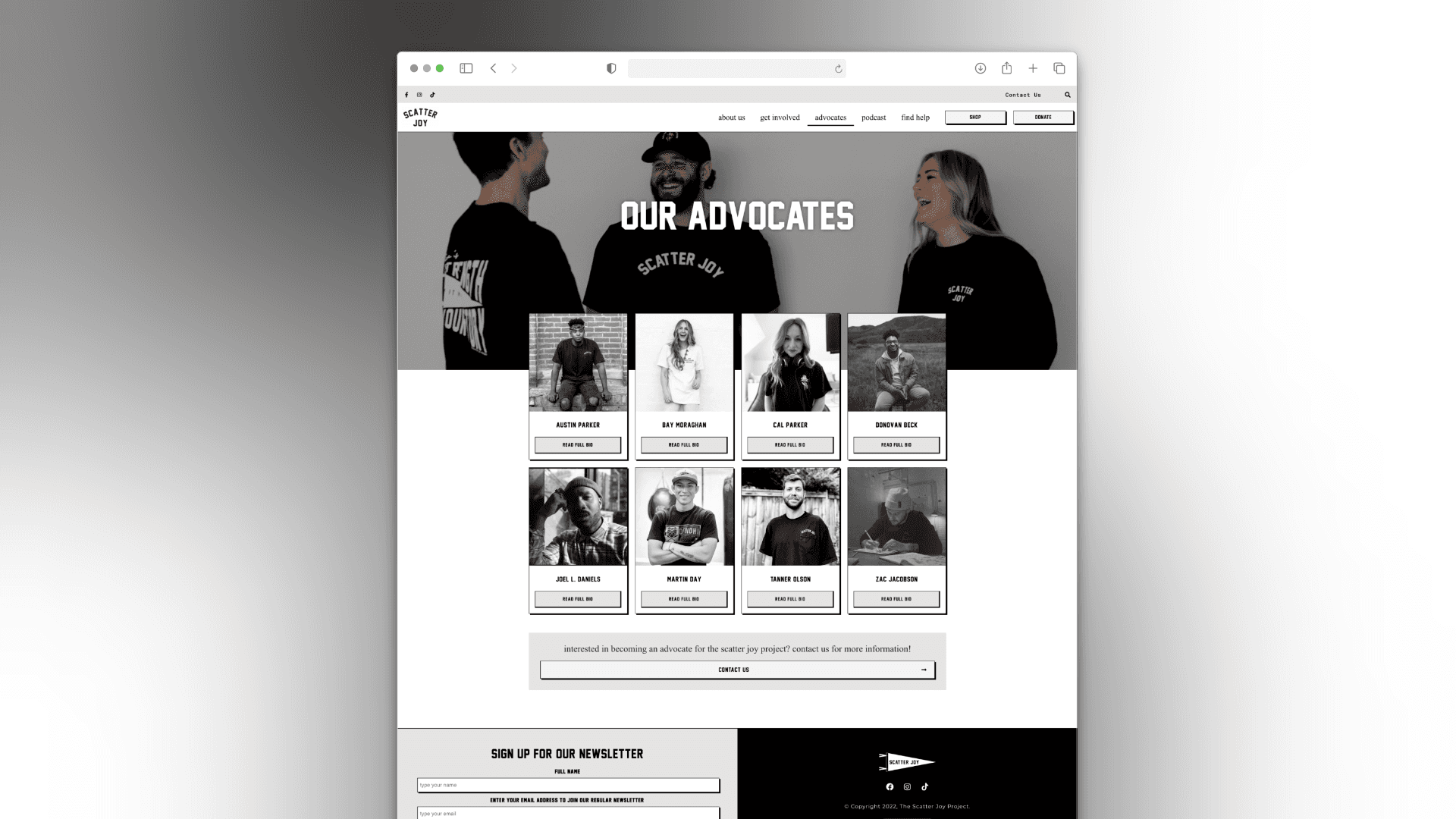
Process
We treated accessibility and ease of use as part of the mission, not just something to tack on later—because when a team can’t update their site quickly, the community feels it. And for some, it's almost immediate.
That made the platform decision a product decision, not just a technical one.
Why WordPress + Elementor?
Simple: the best platform is the one people can actually use & maintain—and because I love empowering my clients by enabling them to manage their own website and not need my hand holding. Elementor could be set up to make a base of components they could use and modify, with plenty of options to choose from and some basic templates already created for reuse. This meant they could start with the touch of a designer, and stay more cohesive with the rest of the website.
Visual editing keeps updates approachable, not intimidating
Reusable sections make changes faster (and more consistent)
Built-in guardrails help avoid accidental design chaos
No custom code means no waiting on developers for everyday updates
Easy to scale as programs, resources, and needs grow
Now we are working with a website that can change as quickly as the community it serves. We met the team where they were—and left the door wide open for whatever comes next by making sure it would be easy to make global changes in the components if they ever wanted to refresh their look.
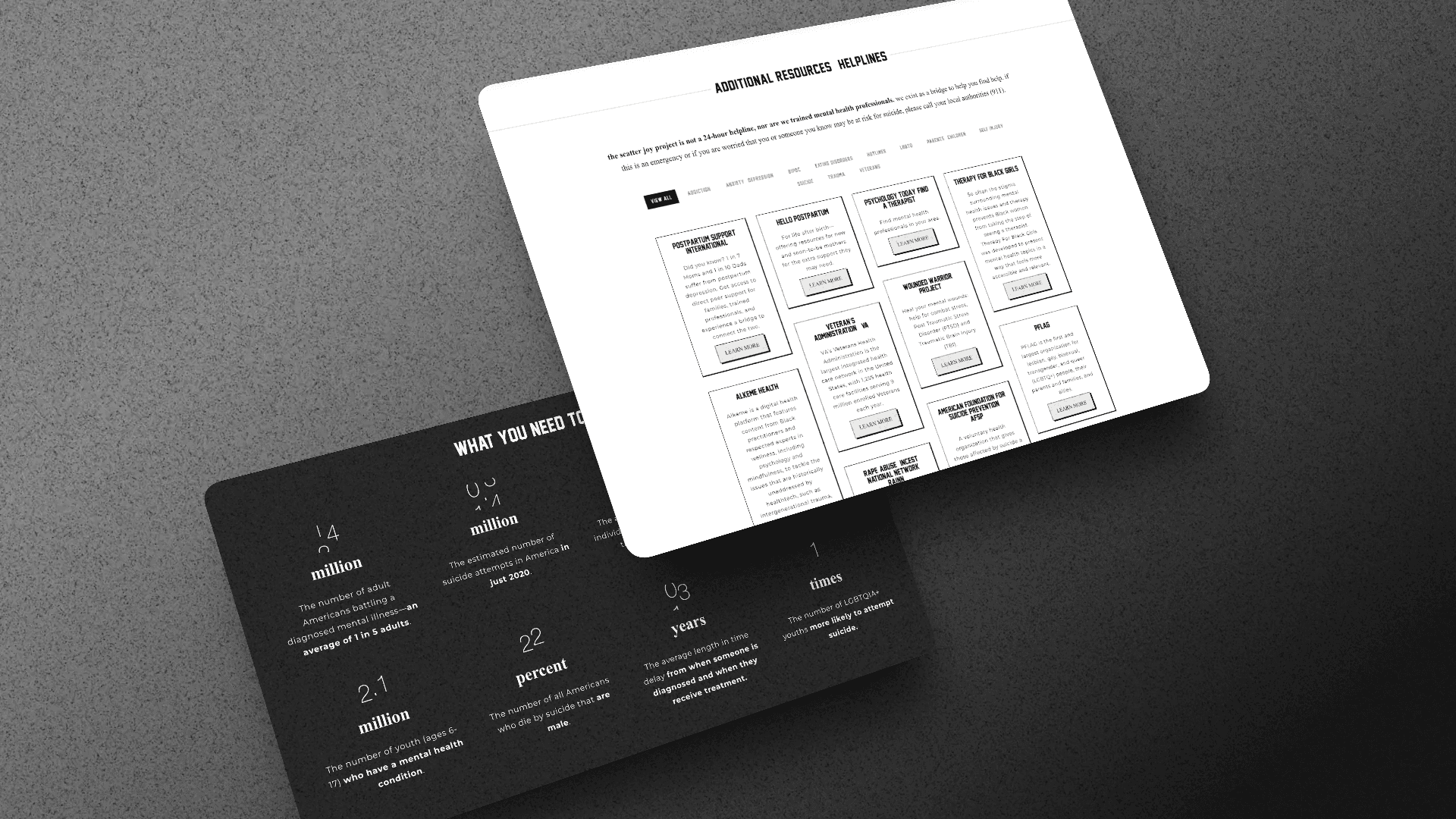
Solution
Launching a website that truly helps people.
From day one, we asked the same question over and over: How can we get people the mental health resources they need—without making them play a website scavenger hunt?
That meant simple navigation, scannable content, and layouts so obvious even someone having a rough day could find help fast. Reusable sections and a lightweight design system let the team update resources in a snap, so the community is always kept up to date.
In short, the process wasn’t just about building a website—it was about creating a tool that reliably connects the community to the help they need. Every feature was intentionally crafted around meeting the users where they need Scatter Joy resources most.
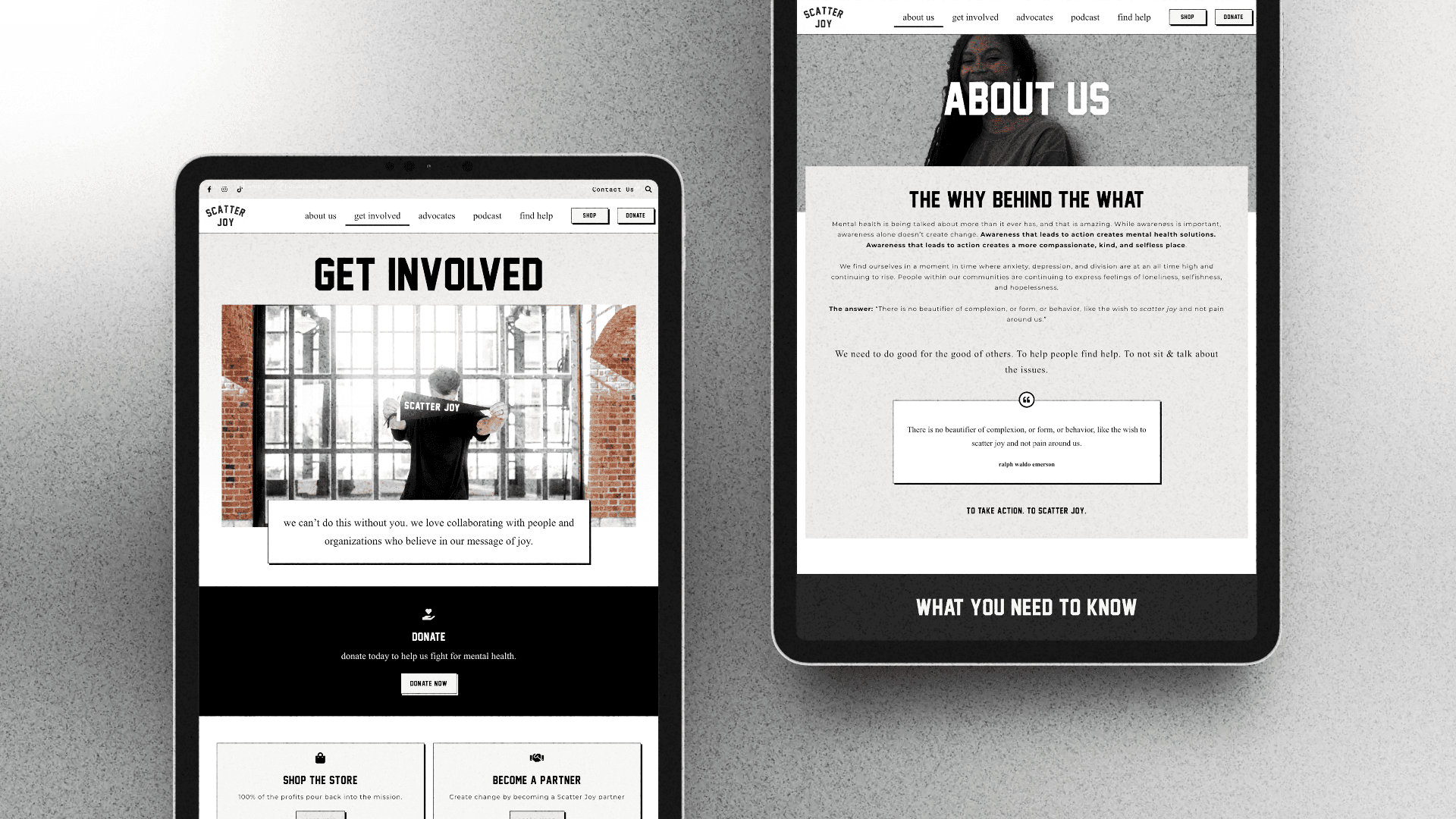
Impact
Releasing a new way to connect the community to the resources that can support them.
This website redesign wasn’t about aesthetics—it was about removing barriers to mental health support while respecting the realities of a small, mission-driven team. The finished site helps The Scatter Joy Project reach more people, faster, with fewer ongoing costs.